Science information this week: Sinking metropolitan areas and tree of life mysteries
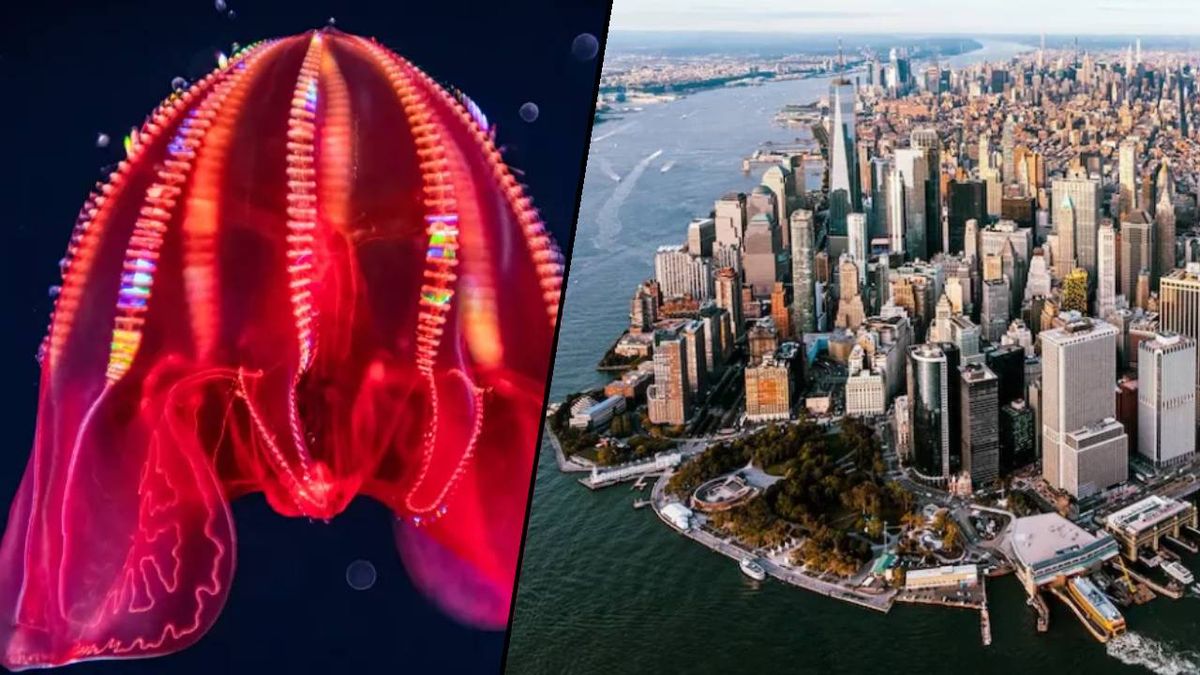
Table of Contents
Between a slicing-edge gravitational wave detector roaring again to existence and the discovery of a 3,000-12 months-outdated bakery nonetheless covered in flour, the world of science after all over again thrilled us with an additional week of groundbreaking news. And nothing at all is more groundbreaking ideal now than the mixed mass of New York City’s 1,084,954 buildings, which are practically creating the city to sink at the price of about .08 inches (2.1 millimeters) for each calendar year.
Speaking of weighty objects, paleontologists in Argentina learned the stays of a ginormous lengthy-necked titanosaur, which measured about 100 feet (30 meters) prolonged. The dinosaur’s fossils have been so heavy that when being transported to Buenos Aires for review they brought about a website traffic incident and smashed the asphalt on the road. Thankfully no bones, human or dinosaur, had been broken.
Finally, we know that daily life is entire of minimal mysteries (and we must know a thing or two about them), but what has been really taxing us this week are regardless of whether octopuses have nightmares, what China is dropping off in space, and irrespective of whether we’ll at any time come across proof of a “dim make any difference star”. Nevertheless, a single factor we are now a little a lot more sure of is the solution to evolutionary scientists’ rooster-or-egg equivalent — which arrived to start with, the comb jelly or the sea sponge?
Picture of the week

This abnormal small critter is an extremely scarce albino echidna, just one of two recognized mammals in the world (along with platypuses) in which females lay eggs but also develop milk. Noticed previously this month on a road in New South Wales, Australia, this all-white, quill-coated creature has been named Raffie by regional authorities.
Albinism is a genetic situation that interferes with the body’s creation of melanin, the principal pigment that shades animals’ skin, fur, feathers, scales and eyes. When melanin cells don’t functionality effectively, it can make animals seem partially or totally white.
“An albino echidna is a uncommon sight,” reps of Australia’s Commonwealth Scientific and Industrial Research Business (CSIRO) wrote in a Twitter publish on May possibly 22, 2022. “Spotting a non-albino echidna is also fairly unheard of,” officers extra.
Weekend examining
And finally…
The James Webb Room Telescope carries on its amazing run of exploring tricks of our universe, spying a gargantuan geyser on Saturn’s icy moon Enceladus blasting h2o hundreds of miles into house — could it contain chemical substances for lifestyle?