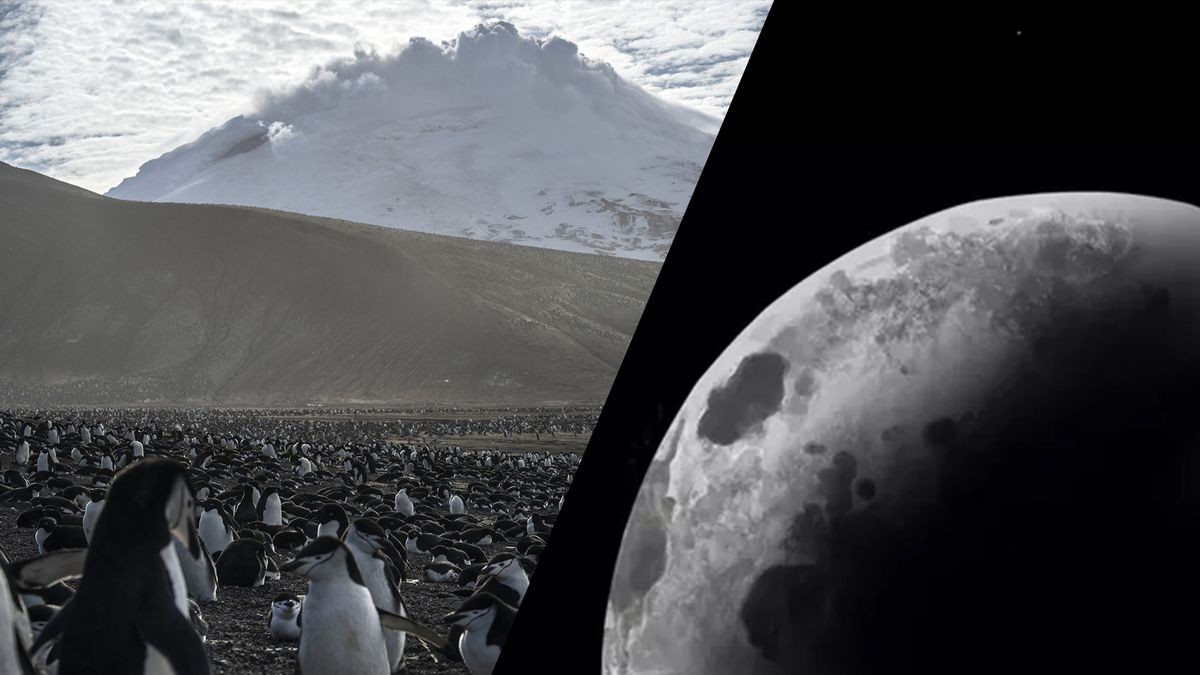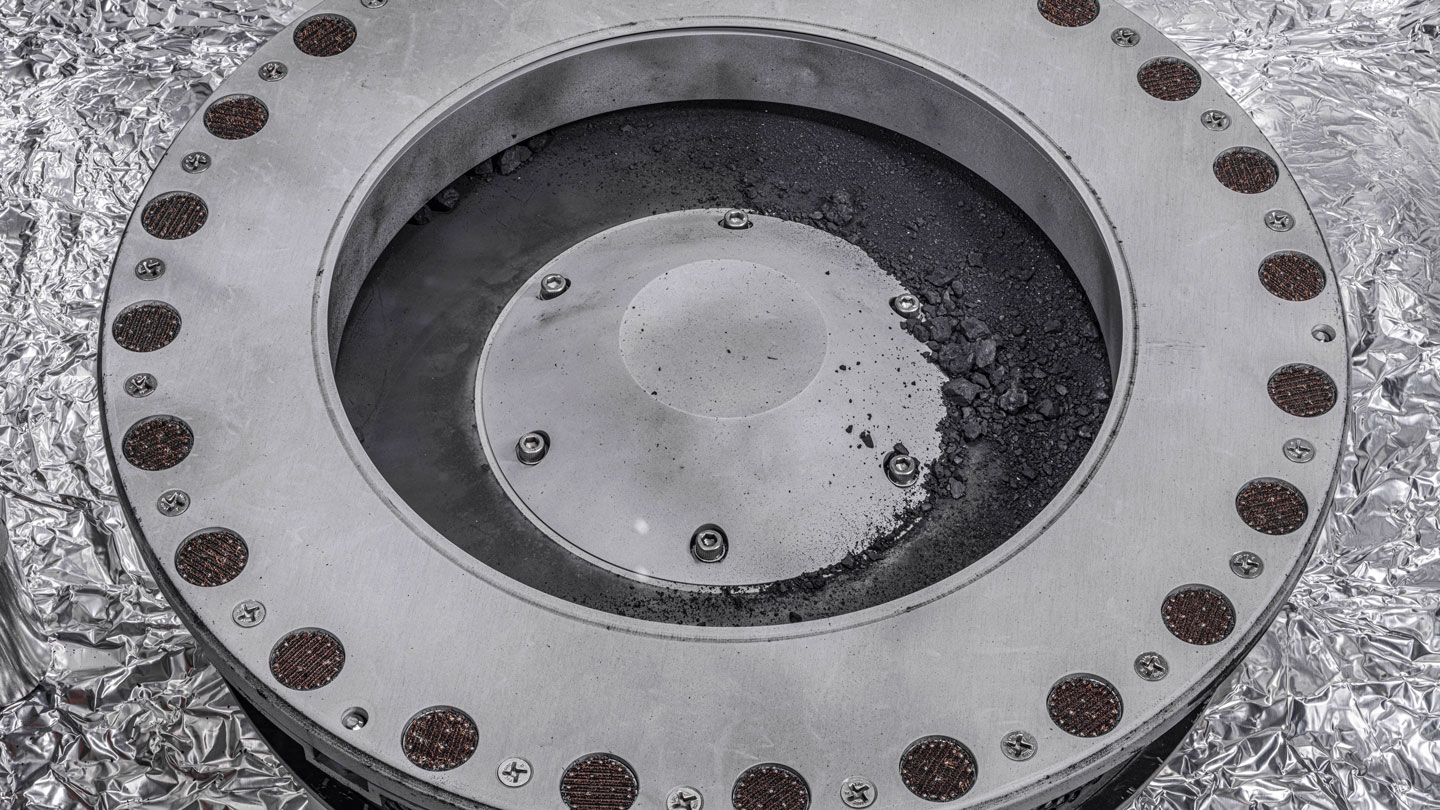
Science news this 7 days: James Webb telescope discoveries and an inverse vaccine
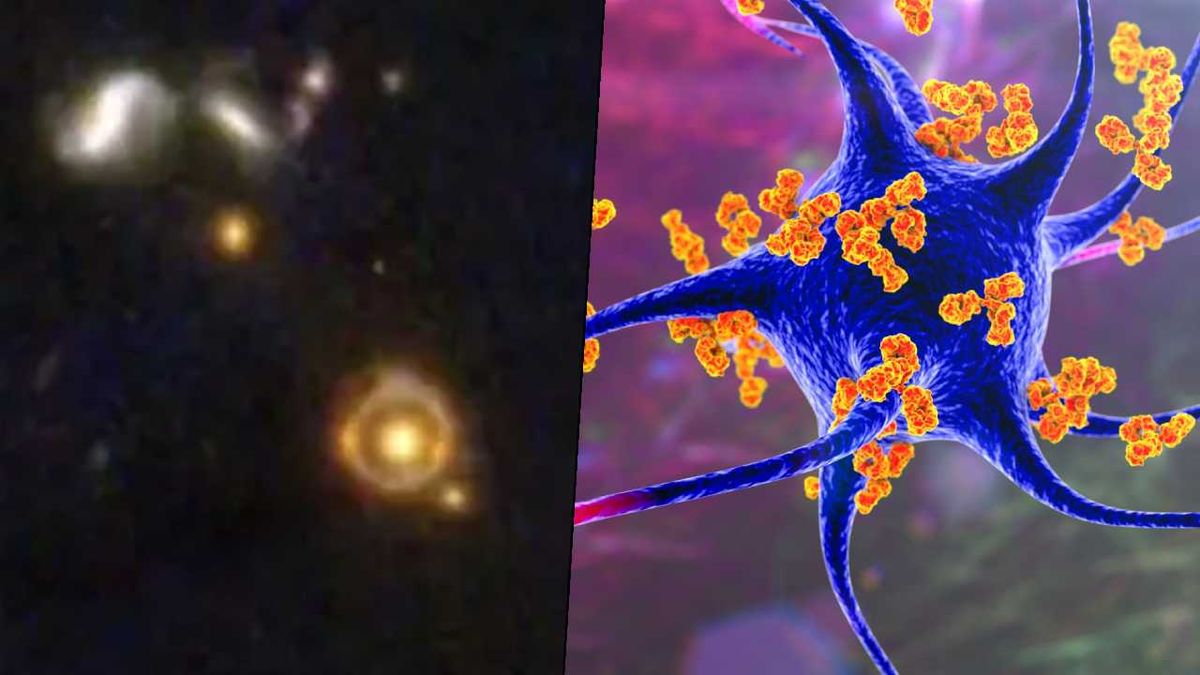
Table of Contents
In the information this week, the James Webb Area Telescope designed some astounding discoveries, we explored whether an “inverse vaccine” would perform for human beings and experts learned how to publish in drinking water.
The James Webb Room Telescope has been occupied this 7 days, snapping an impression of a stunningly perfect “Einstein ring”, finding an historic supernova that could help resolve 1 of the universe’s biggest mysteries and recognizing 1000’s of Milky Way-like galaxies in a put they shouldn’t exist. Again in our possess photo voltaic program, we viewed comet Nishimura get battered by a solar storm, welcomed the return of document-breaking astronaut Frank Rubio from the Global Area Station and designed AI that could detect alien everyday living — even though we are not completely certain how it is effective.
In the planet of aquatic mammals, humpback whales have been preening themselves by “kelping”, though some opportunistic orcas have grow to be victims of their newfound behavior. In extra terrible news for mammals, the up coming supercontinent, Pangaea Ultima, is very likely to get so hot so promptly that mammals will not be equipped to adapt. Nonetheless, that won’t be for a different 250 million many years, so we’re safe for now.
The greatest wellbeing news this 7 days was that researchers are screening an “inverse vaccine,” which selectively suppresses the immune technique. It correctly taken care of a several sclerosis-like situation in mice, but could this new method perform in individuals? We also saw that the antiviral drug molnupiravir may well be shaping the evolution of the virus guiding COVID-19. We continue to you should not know what this suggests for transmission or the emergence of new variants, but this is not anything we ought to be stunned or anxious about, industry experts explained to us.
Now to the ancient entire world, the place words from a “shed” language have been discovered on an historical clay pill in Turkey. The Indo-European language would have been spoken more than 3,000 a long time ago, and although students are however working out what the text mean, they know it was “ritual textual content.” Other superb discoveries this 7 days have been a “incredibly rare” Bronze Age arrow with its quartzite idea however intact and a 1,400-year-previous tomb in China revealing evidence of a royal electric power battle.
And lastly, we get rid of light-weight on “diffusioosmosis,” which as well as being remarkably tough to say is extremely valuable if you want to compose phrases on water.
Adhere to us on WhatsApp
Want much more science information? Stick to our Stay Science WhatsApp Channel for the most current discoveries as they come about. It is the very best way to get our qualified reporting on the go, but if you you should not use WhatsApp we’re also on Facebook, X (previously Twitter), Flipboard, Instagram, TikTok and LinkedIn.
Photo of the 7 days
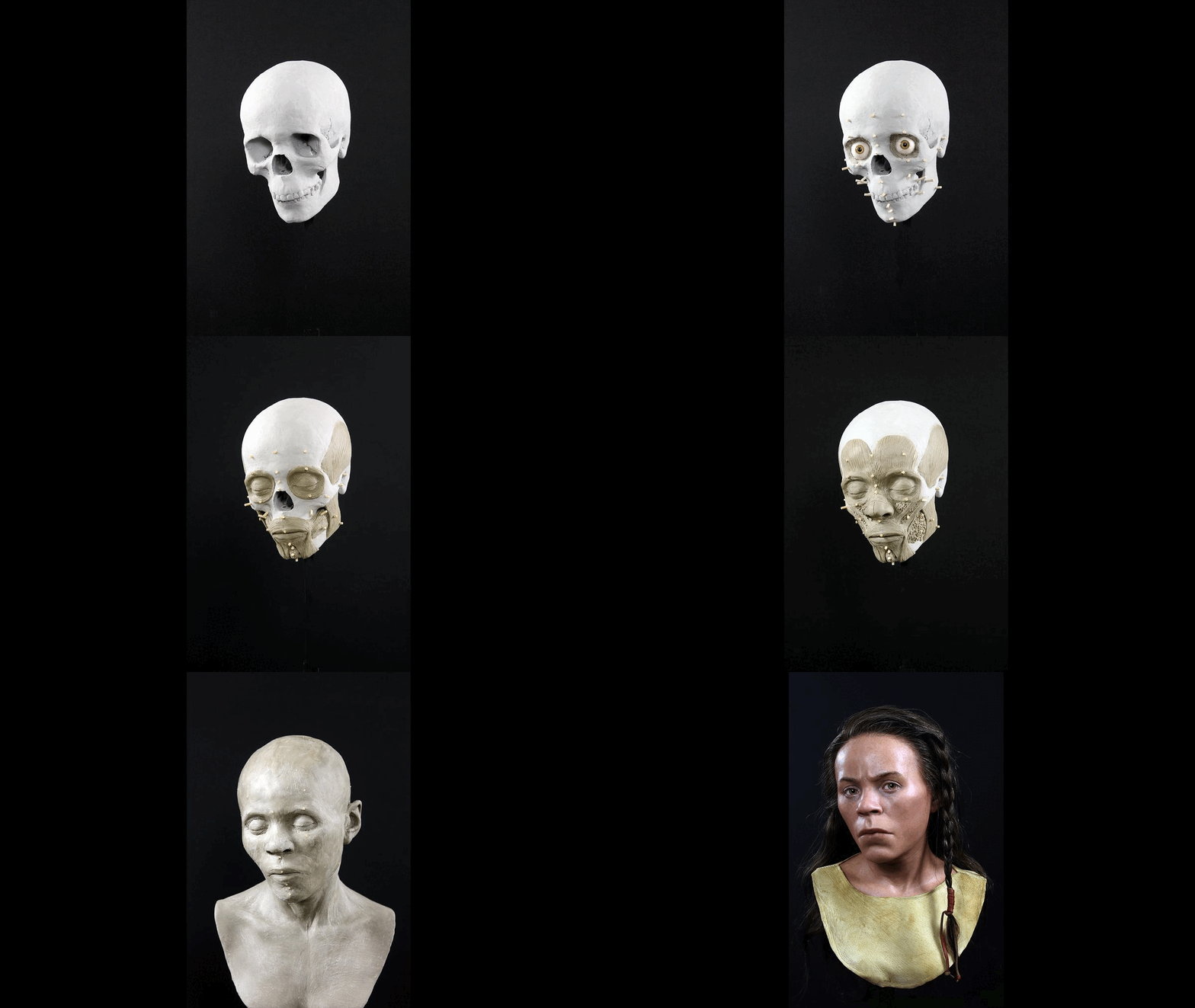
Extra than 4,000 a long time in the past, a younger girl who died in what is now Scotland was buried in a crouched position within just a stone-lined grave. She remained buried for millennia, till excavators at a stone quarry unexpectedly unearthed her bones in 1997.
Little is recognized about the female — dubbed Higher Largie Girl right after the Higher Largie Quarry — but now, a new bust-like reconstruction reveals how she may well have seemed all through the Early Bronze Age.
“Making a reconstruction I normally imagine that we are hunting into their globe, [meaning] they you should not see us,” Oscar Nilsson, a forensic artist primarily based in Sweden who crafted the woman’s likeness, explained to Live Science in an email. “I assumed it could be an appealing strategy to twist this a little bit, and truly wondering that she can see us. And as you can see, she appears a little bit vital to us (I will not blame her for that…)!”
If you want to see much more, verify out these other incredible facial reconstructions that convey the earlier back to lifetime in uncanny detail.
Sunday looking through
Stay Science lengthy read through
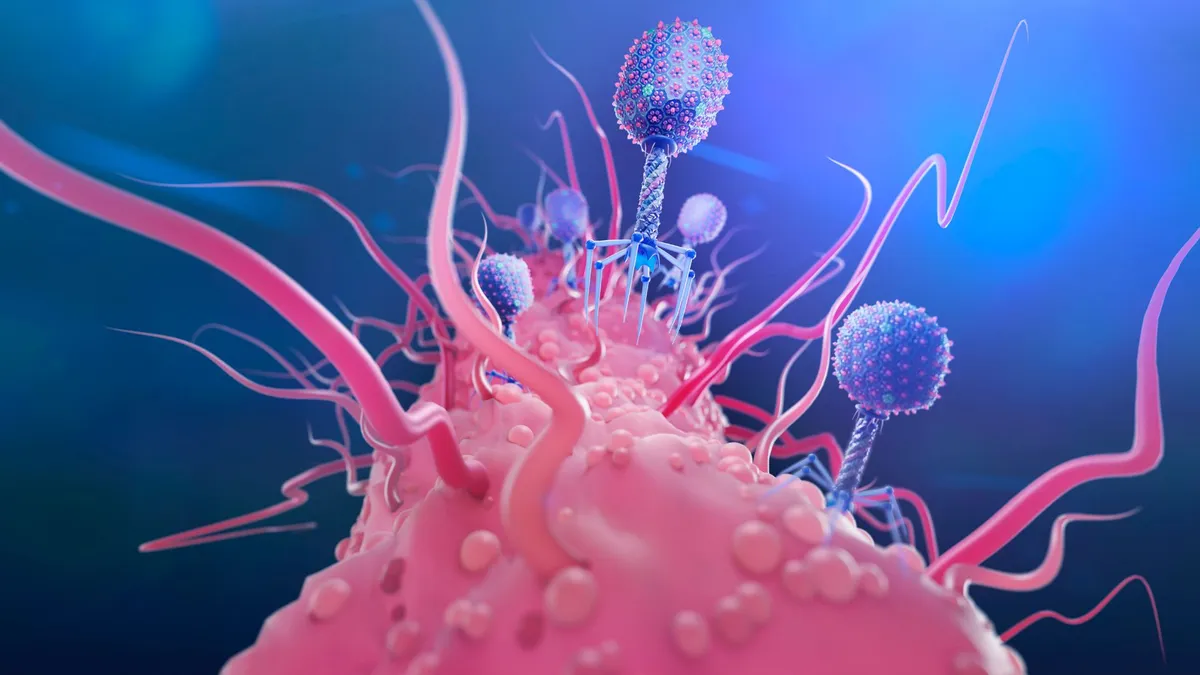
Viruses that split germs open from the inside, the popular gene-modifying device CRISPR, designer molecules and small protein sabers — these are the picked out resources of researchers searching for new approaches to get rid of dangerous bacterial “superbugs.” Classic antibiotics push micro organism to develop resistant to remedy, and the overuse of these aged medications has only sped the unfold of multidrug-resistant germs. In a new feature, health editor Nicoletta Lanese speaks with specialists doing the job on new alternatives to antibiotics that will not likely travel resistance. And in an accompanying tale, she discusses what we can do in the meantime, while these new medications are coming down the pipeline.